Cross-contamination is hardly ever a single disastrous error. It is a series of little misses out on that stack up at shift speed. A handwear cover touches the incorrect surface; a cart puncture the wrong doorway; a container lining splits on a sharp side; a hurried handoff misses the wipe-down. In high-risk atmospheres like food handling, pharmaceuticals, laboratories, health care, tidy production, and waste handling, those misses can sideline manufacturing, concession individual security, or create recall-level direct exposure. The bright side is that prevention is a self-control, not a mystery. It is constructed from behaviors, physical layout, and smart use of individual protective tools. And when teams see progression in difficult numbers, they maintain the self-control going.
I have actually invested adequate hours on busy floors and in audits to recognize that policy binders do very little on their own. Individuals do the job. The job below is to make a system that aids great individuals do the right thing on a worn out Tuesday, not just on training day.
Start with genuine paths, not an ideal map
Contamination almost never shows up by teleportation. It passes by get in touch with, by air, or by transfer vectors like wheels, handwear covers, aprons, and sleeves. The initial job is to map actual website traffic circulations and touchpoints as they are, not as they show up in the SOP.
Walk a change with a line lead and a cleanliness technology. Enjoy the order in which doors are opened, which stations end up being unofficial hosting locations, where product packaging supports, and exactly how rework material actions. Usage fluorescent trace powder or ATP swabs on suspicious surfaces. Preferably, run test mid-week when staffing is limited and the temptation to "simply cut through below" increases. File the crucial changes: raw to prepared, unclean to clean, outside to internal area, biohazard to non-biohazard, low-grade to sterile.
The best control steps come out of that map. If a carry passes near a personnel sink before getting in the high-care location, it will, eventually, brush versus a faucet neck. Set up a straightforward obstacle or reroute the tote lane and you prevent the habits from also being feasible. Avoidance is too often talked about at the level of chemistry and composed policy. In method, transmitting and style do even more hefty lifting than any kind of signage.
PPE is greater than equipment - it is a workflow
PPE works only if it fits the job and the movement pattern. In cross-contamination avoidance, PPE Gloves typically play the lead duty because hands are the most frequent contact surface area. A couple of realities from the field:
Fit matters far more than the majority of acquiring groups expect. Handwear covers that are as well loose grab and make drivers reduce. Handwear covers that are as well tight tiredness the fingers and cause micro-tears as staff force jobs. Either case raises the opportunity of a glove being removed at the wrong time or failing throughout a vital step. When spending plans allow, run a size-fit center at the start of each quarter and track dimension usage by department. The expense is small compared to the expense of a close to miss.
Task-matched products reduce danger. In food plants, nitrile commonly beats plastic for toughness and chemical resistance during sanitation changeovers. In cleanrooms, low-shedding products and powder-free surfaces are table stakes. In health care isolation units, double-gloving can develop a secure "outer" layer that can be removed after a higher-risk task without completely de-gloving.
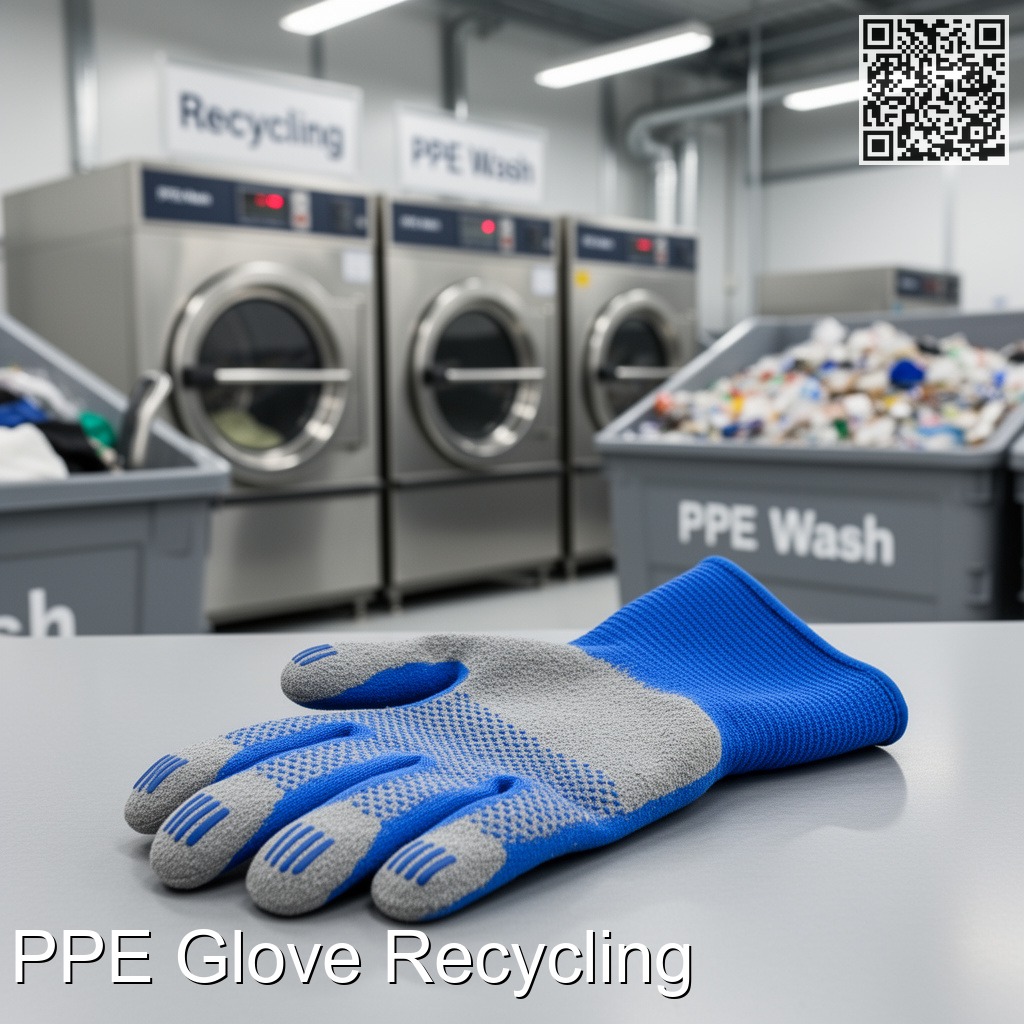
Color coding noises standard, yet it stops one of the most stubborn classification of error: reentry with the incorrect equipment. Designate colors by zone or task, not just by department. For instance, blue for raw handling, white for RTE clean room, black for maintenance. Maintain constant colors throughout sites to reduce complication for advances and contractors.
Change factors have to be where the behavior takes place. If handwear cover dispensers rest fifteen steps away down a narrow hallway, personnel will reason utilizing the same set "just to do this one point." Place glove and gowning supplies at the door, inside the line of travel, with a little waste receptacle. Mount mirror panels so personnel can check compliance prior to access. Small layout modifies beat lengthy mentoring every time.
Clean hands, clean tools, clean transitions
Hand hygiene is the first line versus cross-contamination, yet it is often weakened by dry skin, poor products, or poor station placement. Alcohol-based scrubs assistance, yet in protein-heavy settings or after soil exposure, soap and water should come first. Maintain the cycle brief and workable. If it takes more than 40 to 60 seconds door to door, people will cut corners. Handwash sinks ought to have foot or knee activation where possible, forearm-friendly faucet length, and water at a comfy temperature level. I have seen compliance jump after swapping out parsimonious soap dispensers that compelled several pumps per wash.
Tool health is just as important. Tongs, spatulas, torque wrenches, clamps, and tasting tools get more than people anticipate, especially when they migrate in between lines. Provide tools a "home" and keep a tidy darkness board for each and every zone. Designate an accountable caretaker per shift. Track tool sterilizing with visible tags and timestamps. Where useful, move to single-zone devices to stop the drift.
Transitions need to be staged. As an example, in a cooked-to-packaging zone, place a little barrier with handwash, handwear cover modification, and a fast visual QC check. That time out is your star performer. In medical care, set up waiting rooms with clear doffing series uploaded at eye level, a stable chair for boot cover adjustments, and a mirror. In labs, mark the bench areas where "tidy hands only" use, and different sample receiving from analysis benches with a physical divider, not simply tape.
Glove cleansing, reuse, and when not to push your luck
Glove cleansing is a loaded topic. In some settings, cleansing and reuse is undesirable because of sterility demands or regulative support. In others, specifically in lower-risk support areas or upkeep jobs, cleaning up a multi-use glove makes good sense and can be component of a defensible PPE strategy.
A few practical guidelines keep you on the ideal side of threat. Single-use non reusable gloves are for solitary tasks in contamination-sensitive locations. No cleaning is proper. If a non reusable https://cesarmkcm966.lowescouponn.com/a-practical-roi-calculator-for-ppe-programs-save-more-waste-less glove is noticeably stained, torn, or has actually touched an inappropriate surface, it obtains changed immediately. Multi-use gloves, like hefty nitrile, neoprene, or cut-resistant liners, can often be cleansed between jobs if they are structurally intact. Cleaning must be ordered: what cleaning agent, what temperature level, what get in touch with time, and what rinse protocol.
Drying matters as much as washing. Moist handwear covers reproduce microbes and break down products much faster. Use perforated drying out shelfs or warm-air cupboards matched to the handwear cover product. Maintain logs brief and straightforward, and investigate them occasionally as opposed to daily to avoid make-work. In method, I have seen rewash cycles of 24 hr for maintenance gloves and 8 hours for hygiene teams, with swap collections so no one waits on dry time.
When should you retire multi-use handwear covers? Three criteria function well: loss of hold or surface integrity, visible cracking or tensing after cleansing, and failed fit after shrinking. If a glove makes someone transform their functioning stance to make up, it is done. The convenience examination associates with security more than many individuals expect.
The PPE gloves lifecycle and reusing without wishful thinking
Waste is a hidden contamination vector and a noticeable price center. When glove use ramps up, containers overflow faster, pick-up cycles grow frantic, and linings break. That is just how tidy areas get dirty. Taking care of the end-of-life for PPE Gloves is not only concerning compliance, it is likewise regarding keeping your zones tidy and your prices honest.
PPE gloves reusing is becoming a credible option for sure streams. The feasibility depends on product composition, contamination type, and neighborhood infrastructure. Nitrile and some latex gloves can be reused when they are without biohazardous or regulated chemical contamination. Food deposit and general gunk can occasionally be endured within a reusing program that includes cleaning, however biohazard direct exposure triggers a various governing course and must not get in conventional reusing streams.
A circular economy design is the goal, however it requires foundation. Set apart glove waste at the factor of removal. Usage stiff containers with slim ports to prevent combined trash. Label plainly by product and area. Train staff on why the split matters. A workable program starts with a pilot: one division, one product, one vendor. Track weights, contamination prices, and denial factors. Aim for a 60 to 80 percent clean-stream rate prior to scaling.
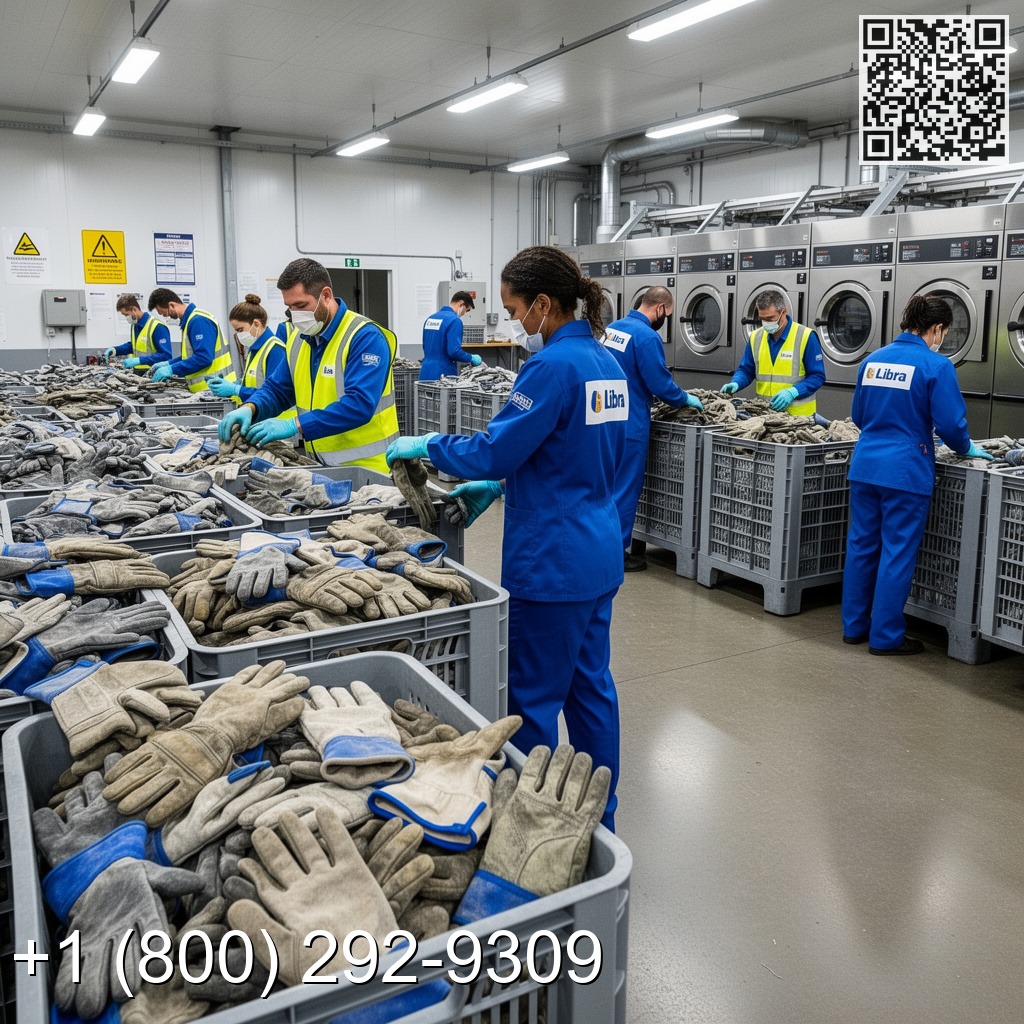
Vendors like Libra PPE Recycling have built programs to catch and refine handwear cover waste streams under controlled conditions. If you examine a partner, inquire about approved products, contamination thresholds, downstream cpus, and audit openness. Excellent partners will show you where the product goes and what it ends up being, not just provide pickup. They ought to additionally help with container design, signage, and responses on contamination concerns in your bins.
Even when reusing is on the table, bear in mind pecking order. Reduce unnecessary handwear cover modifications by enhancing task series; switch to more powerful gloves for rough tasks to minimize tears; enhance fit to prevent mid-task replacements. A reusing program is not a license to shed through disposables. It functions best after the essentials are tightened.
Environmental duty without giving up safety
There is a stress right here. Groups want to reveal Ecological obligation and reduce waste. Safety and security groups wish to prevent any dilution of finest techniques. The resolution hinges on targeted modifications that keep or improve cross-contamination avoidance while curbing waste and cost.
Shift from blanket double-gloving plans to risk-based double-gloving. In several workflows, double-gloving includes worth only throughout certain actions. Clarify those steps and de-glove after, not at random intervals. Present larger, longer-cuff handwear covers for cleanliness to survive high-alkali chemicals and high-pressure spray, lowering the turnover of cheap disposables made use of as an obstacle under aprons. Standardize a few SKUs that meet most requires to boost acquiring power and ensure constant quality.
Look closely at how often staff change handwear covers as a result of pain, inadequate breathability, or perspiring hands. Updating to a better nitrile formula can cut adjustment frequency by 15 to 30 percent in warm lines, based upon inner tests I have actually run in 2 facilities. The reduction in touches to dispensers likewise decreases contamination threat near entrance points.
Finally, where your danger account allows, set a handwear cover recycling pilot with a basic ROI calculator. Feed it glove intake information, being rejected rates from your companion program, hauling costs, and stayed clear of landfill prices. Consist of labor time for container adjustments and pick-ups. The mathematics often surprises financing leaders since the soft costs add up. A tiny plant can move 300 to 600 pounds of gloves per month. If also half changes from landfill to a handled stream, transporting regularity and liner make use of decline, which appears in spend.
Training that sticks when the line gets busy
Most contamination violations take place when people are rushed or disrupted. Training that appreciates fact earns commitment and far better compliance. Keep sessions short, concentrated on what hands really touch, and developed around the real format of your site. Utilize your own photos. If you can, run a "contamination chase" drill where a harmless tracer is applied to a few surface areas and found later under UV light. Seeing a beautiful palm print on a door manage triggers much better routines than any paragraph of policy.
Supervisors carry the culture. Provide authority to pause help handwear cover adjustments or route improvements without punishment for shed mins. Recognize great catches publicly. Right independently and swiftly, but also repair the underlying rubbing that led to the short-cut. Success is when the layout nudges the right actions and supervisors only have to course-correct side cases.
Hand hygiene deserves added effort. Give skin-friendly soaps and compatible creams near clean stations. Many workers stay clear of appropriate washing because their hands split in wintertime or after repeated sanitizer usage. Repair the source and your conformity chart rises.
Designing zones that make mistakes hard
Architects speak about defensible room. In contamination control, you desire forgiving shifts and clear lines. Hard floorings ought to alter color or appearance at area boundaries. Door structures can bring bright, constant banding to sign area status. Waste bins sit on the "filthy" side of a door, not the clean side, unless they are dedicated and sealed for clean zones. If carts are inescapable throughout limits, commit cart sets by shade and wheel type, and install wheel bathrooms or foam floor coverings at entry points where proper. Keep them. A dry wheel bathroom is a spirits killer.
Airflow matters, specifically in pharma, health care, and particular food processes. Positive stress in tidy areas, negative in dirty, with door closers that work and aren't propped open for benefit. If doors should be held open, use interlocked vestibules that keep pressure waterfalls. A little financial investment in door equipment and alarms conserves a lot of money in risk.
For gowning, series the area in the order tasks should take place: handwash, inner PPE, gloves last. Place mirrors at the leave, not simply the entry, so personnel check for rips or missing things before stepping into the following zone. Do not skimp on seating or stable benches for boot covers. If individuals struggle to equilibrium, they will miss steps.
Data beats inklings - determine what matters
Contamination control enhances fastest when you can indicate a chart and state, this worked. Begin with a few easy metrics:
- Glove modification frequency by zone, experienced weekly for a month to establish a standard, after that quarterly. ATP or microbial rely on high-touch surfaces at zone boundaries. Waste structure audits for glove containers, keeping in mind contamination prices and mis-sorts. Incident records linked to handwear cover failings, near misses out on, or wrong-zone entry.
Use the numbers to tune dispenser placement, re-train, or readjust SKU selections. If you introduce a brand-new glove material, run a little test with 2 changes and contrast modification matters and occurrences to a control location. Keep the study period short, 2 to four weeks, to avoid drift.
An ROI calculator aids equate renovations right into budget plan language. If your handwear cover upgrade goes down total usage by 20 percent on a line that takes in 25,000 pairs each month, and your system price is 8 to 12 cents per handwear cover, you are considering a regular monthly reduction of 400 to 600 bucks in straight spend, plus waste carrying and downtime avoidance. Money understands that. It likewise makes it easier to green-light reusing pilots, much better dispensers, or enhanced sinks.
Edge instances you ought to intend for
Not every contamination danger is routine. A couple of special circumstances are worthy of rehearsal.
Contractor work is a large one. Outdoors professions commonly bring their own PPE and devices with unknown backgrounds. Problem site-specific PPE at the gate, including gloves by zone, and call for tool wipe-downs or bag-and-swap for delicate locations. Accompanying is inadequate; set assumptions and verify.
Rework contingencies create confusion. When item comes back for rework, it tends to travel quick and via faster ways. Construct a predefined course and team it with a floater learnt transitions. Stock a mobile cart with handwear cover dimensions, sanitizers, and a log sheet. Deal with remodel like a mini project with clear ownership.
Supply disturbances can force replacements. Maintain an authorized second glove SKU per area and examination it beforehand. Publish the swap rules and store the back-up supply in a classified, controlled place to prevent ad hoc decisions. The most awful time to examine a brand-new glove is while the line is down.
Weather and seasonality impact conformity. Warmth accelerates sweat, enhances glove modifications, and weakens grasp. Cold creates weak materials and chapped skin. Swap handwear cover solutions seasonally where ideal, and readjust hand skincare materials accordingly.
Audits that help, not harass
An audit should leave the floor safer and the group extra certain. Make it observational and helpful. Darkness a task throughout, noting touches and transitions. Ask drivers what reduces them down or makes them reduce corners. Record tiny victories along with misses out on. Share fast repairs immediately: a moved dispenser, a fresh indication with actual photos, a specialized bin. Get much deeper procedure modifications for follow-up, and go back to close the loop within 2 weeks.
Bring cross-functional voices. Quality sees the system; maintenance sees the workarounds; hygiene sees the residue; managers see the pressure; money sees the bills. When every person sees the very same traffic jam, the solution obtains funded and maintained.
Bringing recycling and source efficiency into the day-to-day rhythm
A reusing program for handwear covers lives or passes away by simpleness and comments. If PPE gloves recycling is an objective, keep containers clean, obtainable, and regularly positioned. The initial month will be rough. Anticipate mis-sorts and learn from them. Share pictures of tidy, appropriate product and of rejected tons with a brief note. Commemorate hitting a 70 percent acceptable-stream rate, then press greater. Turn a "bin captain" duty among personnel so ownership is shared. Connect the dots to worth: less basic waste pick-ups, much less liner use, quieter loading bays, and one action better to a true circular economy model.
Work with your reusing partner on contamination decrease. If they decline a set because of food deposit or unidentified fluids, map the resource. Typically, a single workstation with an improperly situated bin or an end-of-shift thrill drives the majority of the issue. Take care of the canal and the whole program improves.
A final word on optics: environmental messaging should never ever pressure personnel to keep utilizing compromised PPE. The pecking order is safety and security initially, then efficiency, after that sustainability. If your group believes this, they will tell you when a handwear cover is wrong for the job, and your sustainability objectives will certainly take advantage of sincere input.
A functional series for new or refreshed programs
If you are going back to square one or restarting a stale program, an uncomplicated sequence works well.

- Map genuine traffic circulations and touchpoints throughout an actual shift. Mark zone limits and high-risk transitions. Fix design friction initially: relocate dispensers, include small obstacles, phase change factors, and improve sink access. Standardize PPE by zone with shade coding and fit facilities. Upgrade glove formulas where failing or discomfort is common. Tighten health routines: tool homes and sanitizing, drying procedures for multi-use gloves, and presented transitions. Pilot a recycling stream for eligible gloves with a partner such as Libra PPE Recycling, action contamination rates, and adjust. Track fundamental metrics and plug them right into an ROI calculator to reveal progress and safe and secure continuous support.
This order builds energy. Each action makes the following one simpler, and the visible success maintain the group engaged.
The culture that maintains risk low
In every high-risk site I have actually admired, cross-contamination prevention feels like part of the craft, not a collection of scoldings. People point out great catches. Supervisors get rid of roadblocks so the ideal habits is the simple actions. Upkeep prepare for health when creating jigs and guards. Acquiring listens when operators claim a glove splits also easily. Money recognizes the expense of turmoil next to the price of great PPE.
If you take nothing else from this, take the idea that prevention is personified in the environment. The door swing, the placement of the glove box, the bench you can remain on to transform boot covers, the dryness of a cleansed handwear cover, the shade of a boundary line on the flooring. Obtain those right and the rest obtains easier.
Cross-contamination won't disappear. Yet it can be consisted of, and the system can be tuned so tiny mistakes don't cascade. Much safer hands, cleaner tools, straightforward process, and a liable end-of-life for PPE are the core. The remainder is the pride that comes from running a tight procedure where product, individuals, and people are protected, and where resources are managed wisely.
Libra Industries Inc
1435 N Blackstone St, Jackson, MI 49202
+15177875675
| Place ID | ChIJt_HMH44vPYgRNbiD22DpHYo |
| CID | 9952367353767639093 |
| Business Profile ID | 6301257705288912858 |
7H9Q+2G Jackson, Michigan
| Coordinates | 42.26760060, -84.41112540 |
 Ask ChatGPT
 Ask Grok
 Ask Perplexity
 Ask Claude
 Ask Google AI
 Ask You