Personal safety devices is intended to safeguard individuals, not bewilder waste containers. Yet in lots of centers, PPE Gloves, gowns, and masks leave the building after a single shift and head straight to landfill. I have actually remained in plants where handwear cover barrels fill faster than scrap totes, and the buying team groans as pallets of fresh boxes roll in. Meanwhile, sustainability objectives sit delayed, and health and safety leaders worry about any kind of program that sounds like "reuse." The reluctance makes good sense. It's also solvable.
PPE gloves reusing and reuse has moved from speculative to practical in the previous couple of years. Programs can satisfy stringent hygiene requirements, keep spending plans intact, and show quantifiable ecological duty. The difficulty is much less concerning the innovation and more concerning persistent misconceptions that maintain teams from trying. Let's unbox one of the most typical ones, attracting from genuine releases in food, auto, pharma, and hefty manufacturing.
Myth 1: "Reused handwear covers are harmful, period."
Safety is the first filter for any PPE choice. No person wishes to trade a cut or chemical shed for an ecological win. The subtlety is that not all handwear covers are prospects for reuse, and not all jobs require "fresh-out-of-the-box" whenever. The better strategy is to sector handwear cover use by risk, after that use a cleansing and screening regime where it fits.
In controlled environments like sterilized fill lines or cytotoxic handling, non reusable gloves stay single-use. Period. For non-sterile cleanrooms, logistics, welding preparation, general setting up, paint masking, and numerous upkeep activities, reuse can satisfy or surpass safety needs if certain conditions are met. You require confirmed glove cleaning backed by documented biological decrease, residual chemical testing ideal to your market, and a rigorous cross-contamination avoidance plan. Modern laundering systems utilize tracked batches, regulated cleaning agents, high-temperature cycles, and post-wash examination that weeds out microtears. The result is a glove returned to service just if it passes both visual and stamina checks.
I have actually enjoyed teams bring their hesitant drivers right into the validation stage. Absolutely nothing modifications minds faster than side-by-side tensile tests and cut resistance dimensions. If a program declines any kind of glove with jeopardized finish or elasticity, the procedure safeguards both hands and the brand. Safety remains the gatekeeper, not an afterthought.
Myth 2: "Reusing PPE only makes sense for large firms."
Volume aids, but it isn't the only lever. Mid-sized plants frequently see remarkably solid results due to the fact that they have actually focused handwear cover kinds and foreseeable work. The secret is to start where product circulations are tidy and consistent. For instance, an automobile components plant with 350 employees redirected just its nitrile PPE Gloves from setting up and evaluation lines into a reuse and recycling stream. By standardizing on two SKUs and appointing plainly classified collection factors, they cut virgin glove purchases by approximately 35 percent and decreased land fill pulls by an entire compactor per quarter.
If your team believes it's "also small," map out just one location. Choose an area where the handwear covers do not get in touch with oils, solvents, or biologicals, and where task tasks are steady. That cell-level pilot can verify out the logistics and cost without betting the center. Once it's secure, you can roll into higher-volume locations. Programs like Libra PPE Recycling are developed to right-size service frequency and coverage, so you aren't spending for underutilized pick-ups or complicated changeovers.
Myth 3: "Handwear cover cleaning is essentially washing and hoping."
The very early days of reuse had a Wild West really feel. Bags of handwear covers went into generic washing cycles and returned in bulk. That approach should have the suspicion it obtained. The fully grown version looks extremely various: tagged batches, chain of guardianship, presort by soil type, detergent chemistries tailored to polymer families, drying out parameters that safeguard layers, and post-clean evaluation that uses tension and flex tests, not just eyeballs.
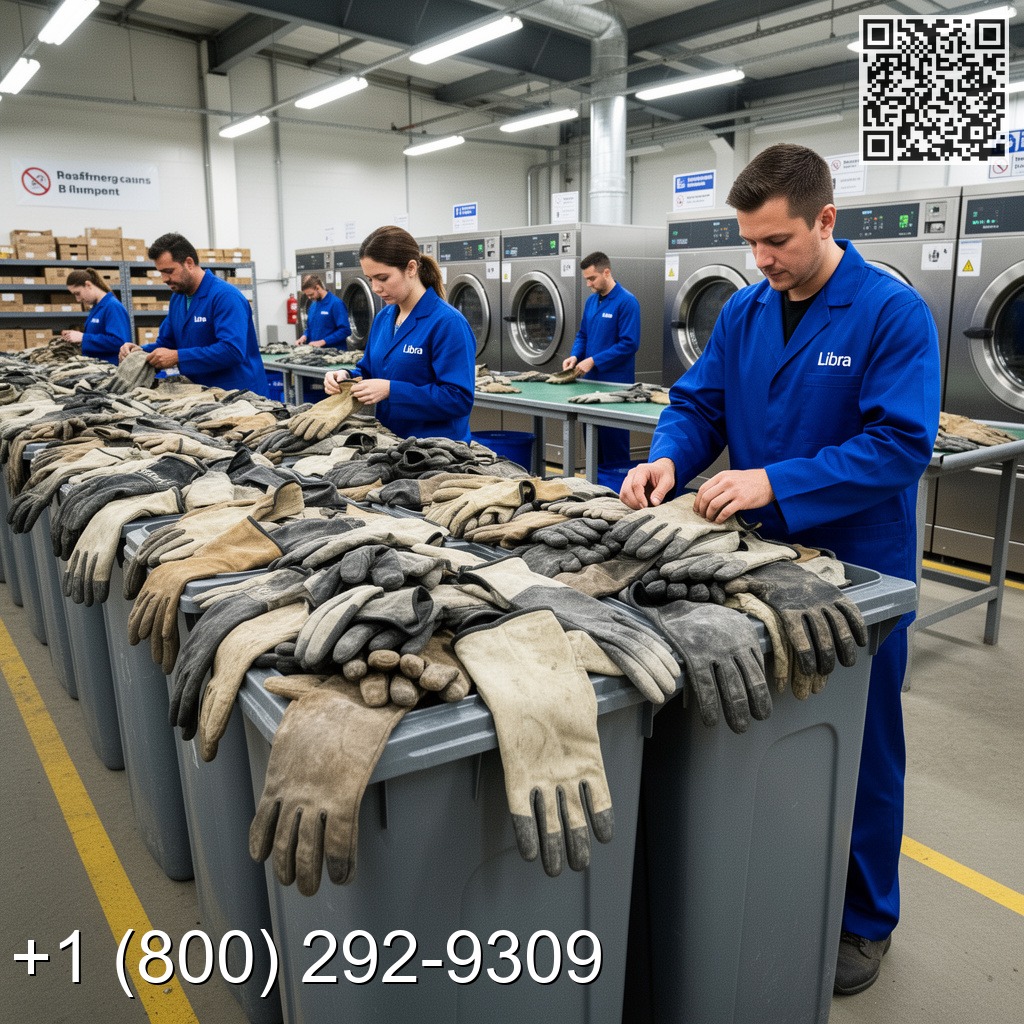
In one program I observed, liners and coated handwear covers were scanned by whole lot, washed in segmented loads, dried out at low warm to maintain nitrile adhesion, then sent out via an LED light table that highlights thinning in high-wear areas. Rejected sets were granulated and drawn away to downstream material reuse, while certified pairs were rebagged by size and whole lot for traceability. Documents showed log decreases for microbes and deposit dimensions for usual pollutants. You end up with a handwear cover that is clean in proven terms, not just visually.
For any individual examining handwear cover cleansing, request for the recognition file. You want the process map, the examination methods, and the acceptance standards. If a supplier hand-waves through those details, keep looking.
Myth 4: "Cross-contamination will spiral uncontrollable."
The anxiety is easy to understand. Gloves go almost everywhere, touch whatever, and travel in pockets. Without self-control, reuse can move dirt from one cell to one more. The fix is to treat the collection and return loophole with the same seriousness you offer tool control.
I like to begin with a contamination matrix. Detail your zones and the impurities of concern, from machining oils to flour dust to resin droplets. Color-code what can go across zones and what can not. A lot of facilities wind up with an eco-friendly area where reuse is welcome, a yellow area that calls for added bagging and labeling, and a red zone where gloves stay single-use. Give clearly classified containers, ideally lidded, at the point of use. When handwear covers leave the flooring, they travel in sealed containers with area tags. When they return, they're released by area also. If you're utilizing a companion like Libra PPE Recycling, ask to mirror your zoning in their batch tracking. The concept is basic: handwear covers utilized in paint preparation don't head back into electronic devices setting up, and vice versa.
Operators require easy guidelines they can use without assuming. Keep signs short, train managers to model it, and run check. In time, mixed loads discolor due to the fact that people see the logic and the benefits. When people observe they're obtaining "their" handwear covers back, sized and sorted, buy-in improves.
Myth 5: "It sets you back greater than getting brand-new."
On paper, some disposables look less costly per pair, specifically if you're buying containers at quote rates. The concealed costs being in waste transporting, storage, stockouts, and time shed swapping gloves constantly. Plus, durability on many layered reusable designs has boosted to the point where one glove can do the work of 4 or five single-use options, also after laundering.
The most intelligent method to puncture the haze is to run an ROI calculator with your very own numbers. Consist of acquisition price per handwear cover, average sets eaten each per week, waste disposal expenses per heap, transporting regularity, time invested in handwear cover changeovers, and any quality turns down tied to glove failing. After that consider the reuse program's service charge, loss prices, and expected cycles per glove before retirement. Excellent programs report cycles per great deal, so you recognize whether you're obtaining two turns or eight.
Here's what I see commonly: a facility investing 160,000 bucks each year on disposables shifts half its tasks to a launderable handwear cover. Also after service charge, complete spend visit 15 to 25 percent, with waste costs down one more 5 to 10 percent. Your gas mileage will certainly vary, yet the exercise eliminates the misconception that sustainability should cost more.
Myth 6: "We'll never ever hit our sustainability targets with gloves."
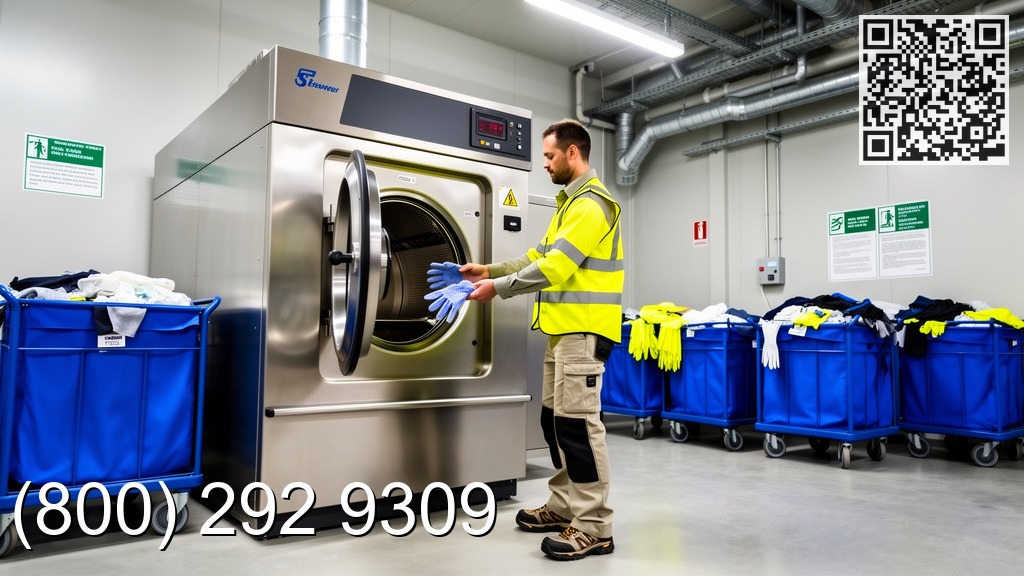
One classification rarely relocates a business metric on its own, yet handwear covers punch over their weight. They are high-volume, low-weight things that accumulate over a year. In one distribution center, simply diverting handwear covers and sleeve covers from landfill reduced overall waste by 8 percent, sufficient to unlock a higher diversion rate that leadership had actually been going after. Environmental obligation isn't just about carbon accounting. It has to do with removing friction for the people doing the job, after that piling results across categories.
PPE handwear covers recycling plugs neatly into a circular economy design. After several cleaning cycles, gloves that fall short inspection can be refined for materials healing, depending on the polymer. It won't transform nitrile back right into nitrile gloves in most cases, however it can end up being industrial goods or energy feedstock where allowed. That hierarchy of reuse initially, after that recycling, retires the piece properly and makes reporting honest rather than aspirational.
Myth 7: "Change will interrupt the line and aggravate drivers."
If you roll out reuse without listening to the crew, they will certainly inform you by packing any handwear cover right into the closest bin. The remedy is operator-centric layout. Begin by walking the line and watching just how handwear covers obtain used, swapped, and discarded. If the collection container sits 20 actions away, people will certainly pitch handwear covers into the closest wastebasket. Relocating the container to the point where gloves come off changes behavior overnight.
I've seen hand device shadow boards placed adjacent to handwear cover return bins, so the act of stowing a tool reminds the operator to store handwear covers also. One more strategy is to provide a tidy starter collection per person with name or group tags, then replenish by dimension. People take much better care of gear they feel is appointed to them. The return procedure should be as very easy as throwing right into garbage, simply with a lid and label. Keep the rituals brief and respectful of takt time. When managers join the responses loophole, you'll become aware of any pinch factors within a week.
Myth 8: "Auditors will certainly decline it."
Auditors dislike shocks and undocumented processes. They do not dislike well-controlled, verified systems that decrease threat. If anything, auditors value when a center can show control over PPE lifecycle, from concern to end-of-life. The concern is to document. Write a simple SOP that covers eligible areas, collection standards, transport, cleaning up requirements, approval requirements, and denial handling. Keep the information obtainable: cycles per batch, being rejected rates, and residue screening results.
For food and pharma, loophole in high quality early. Obtain buy-in on the test approaches for glove cleansing and on the aesthetic evaluation standards. Your high quality group will likely tighten limits and include regular confirmation swabs. That's excellent. More powerful guardrails suggest less audit shocks and more reliability with line managers. When the day comes, you can show the auditor your glove circulation map, the outcomes log, and a clean set of containers at the point of use. The tale informs itself.
Myth 9: "It's greenwashing."
Greenwashing happens when insurance claims outrun evidence. A reuse program anchored in information stays clear of that catch. Report actual numbers: extra pounds drawn away, ordinary reuse cycles, denial reasons, and net price effect. If you partner with a vendor, ask just how they compute greenhouse gas financial savings and whether the mathematics consists of transport emissions. Some providers release generic conversion factors that overemphasize advantages. Need openness. A respectable program will give defensible varieties and note assumptions.
A valuable lens is "material reality." If a glove was cleaned, evaluated, and returned to service without compromising safety, that is worldly truth. If it was declined and then reused into a second-life product, that is worldly fact. If it ended up in power recovery due to the fact that no reusing course existed, claim so. Sincere accounting constructs trust and quiets the greenwashing concern.
Myth 10: "We can not systematize throughout sites."
Multi-site rollouts fall short when they chase harmony over practicality. Plants differ in items, soils, and staffing. The method via is to systematize the structure, not the small details. Specify usual elements: accepted glove households, minimum cleaning specs, identifying language, and efficiency coverage. Then let sites tune bin placement, pick-up tempo, and area definitions. A main group can provide a starter kit of SOPs, templates, and signage that plants tweak locally.
I've seen business safety and security craft a two-page plan with appendices for site variants. Each plant includes its very own contamination matrix and zone map. Outcomes roll up easily for the CSR record, while each website feels ownership over execution. Libra PPE Recycling and comparable companions can support this hybrid version by using standard batch coverage and customized course intends per location.
What a strong program looks like on the floor
Picture a mid-sized electronic devices assembler with 500 workers on 2 changes. They make use of three main handwear cover types: a thin nitrile-coated weaved for small parts, a cut-resistant style at depaneling, and a thermal handwear cover in testing stoves. The top quality group rules out reuse for any kind of handwear cover revealed to conformal coating, solvents, or solder flux. Whatever else is fair game.
Bins live inside each cell, identified by glove type and zone. Operators decline handwear covers at meal breaks and shift end. Full containers get secured and scanned. Handwear covers take a trip to a neighborhood solution facility, where they're sorted, cleansed, dried out, and checked. Sets that pass return gotten by dimension; denies are logged, granulated, and sent out to the designated downstream cpu. A weekly record lands in the plant manager's inbox: complete pairs collected, reuse price, being rejected reasons, and projected diversion weight. Investing in sees an equivalent dip in glove orders, and waste carrying drops one pick-up per month.
Work maintains relocating. There's no heroics here, just a system that respects exactly how individuals actually work and what regulators actually require.
Two minutes that alter minds
There are 2 moments when the discussion changes from "maybe" to "why really did not we do this earlier." The very first is when drivers try out a cleansed glove and understand it really feels the same as new. Coatings hold, cuffs stretch, fingertips do not slick out. The second is when money sees an ROI calculator tuned with real run prices and waste charges. The number isn't a hunch any longer; it's a decision point with a payback window.
If your company wants those moments, run a pilot with guardrails. Pick a cell with modest soil, train a single change initially, and set a brief testimonial cadence. Make rate of learning the objective, not perfection. You'll find where bins require to move, which handwear cover dimensions run short, and what your real denial price resembles. Typically, the being rejected rate is lower than been afraid, and the logistics are simpler than anticipated as soon as the bins remain in the ideal place.
Choosing the appropriate partner
If you go outside for service, veterinarian partners hard. You desire documented handwear cover cleansing procedures, material-specific procedures, and clear approval standards. Ask about traceability and just how sets are maintained set apart. Validate that cross-contamination avoidance is greater than a buzzword by seeing the center or asking for procedure videos. If ecological responsibility is part of your corporate objectives, ask how they gauge diversion and what additional markets take their turns down. A circular economic situation model only works if end courses are genuine, not theoretical.
Libra PPE Recycling, to name one instance in this room, supplies batch-level reporting, zone-based partition options, deposit screening straightened to industry norms, and sensible advice on container placement and signs. If that's the route you take, match their capacities against your SOPs. The companion needs to satisfy your standards, not vice versa. The most effective connections feel like an extension of your EHS and quality teams.
The silent advantages people neglect to count
Gloves touch culture. When operators see leadership investing in smarter utilize, it indicates respect for craft and resources. I keep in mind a night-shift manager telling me his staff quit hoarding boxes "just in case" once the reuse loophole steadied. Stockouts decreased due to the fact that orders matched true usage rather than fear-based overpulls. Area opened in the cage where pallets when lived, and product handlers acquired an hour a day that used to head to reshuffling https://penzu.com/p/4b22d512df3ad996 PPE.
There's a high quality angle as well. Reused handwear covers that have been through assessment commonly have extra regular efficiency than a fresh container that beinged in a hot trailer and lost elasticity. Consistency beats theoretical perfection in daily manufacturing. Fewer shock failures mean less went down fasteners and less rework.

And then there's reporting. When sustainability metrics improve based upon validated diversion and reduced acquisition volumes, those numbers money the following job. Waste-to-energy captures from reject streams may not be extravagant, yet in territories that recognize them, they can connect voids while mechanical recycling markets mature.
What to do next
If the misconceptions still move you, select a little, particular experiment. Select a glove family and a low-risk area. Map a one-month loop with clear objectives: operator approval, reuse rate above a set threshold, and no safety and security events. Use an ROI calculator to plan and to evaluate afterward. If you have interior washing capability, validate the process carefully. If not, vet external solutions for handwear cover cleansing and traceability. Set up a basic cross-contamination prevention strategy with three areas, not twelve. The fewer relocating components at the start, the better.
What you'll likely find is that your people adapt rapidly when the system is created around their reality, your auditors are satisfied when the data makes sense, and your budget values seeing fewer pallets and less land fill pulls. From there, include one area each time. Systematize what jobs. Retire what doesn't. Maintain the emphasis where it belongs: secure hands, stable production, and liable use materials.
PPE exists to safeguard people. Recycling and reuse, succeeded, safeguard budget plans and the atmosphere as well. The misconceptions discolor as soon as the outcomes turn up on the floor.
Libra Industries Inc
1435 N Blackstone St, Jackson, MI 49202
+15177875675
| Place ID | ChIJt_HMH44vPYgRNbiD22DpHYo |
| CID | 9952367353767639093 |
| Business Profile ID | 6301257705288912858 |
7H9Q+2G Jackson, Michigan
| Coordinates | 42.26760060, -84.41112540 |
 Ask ChatGPT
 Ask Grok
 Ask Perplexity
 Ask Claude
 Ask Google AI
 Ask You