Disposable was once a synonym for secure. In several laboratories, food plants, and producing floors, that thinking set right into habit. Handwear covers on, handwear covers off, throw them out, start fresh. The reasoning made sense when volumes were reduced and asset rates foreseeable. After that costs approached, waste costs swelled, and groups started asking difficult questions about the pallet https://blogfreely.net/nirneywmgg/lasting-purchase-finding-recyclable-ppe-gloves loads of utilized PPE rolling to the land fill every month.
There is a far better method, and it does not compromise safety and security. Circular techniques for PPE, especially PPE Gloves, can reduce expenses, safeguard brand names, and decrease threat. The trick is to concentrate on design, information, and quality controls, not mottos. I have actually assisted groups transition from pure disposal to a circular economic situation model for handwear covers and garments in regulated settings. The champions were careful. They piloted thoroughly, confirmed aggressively, and connected procedures to finance in such a way that made ROI apparent. That is exactly how you transform "sustainability" from a side project into a cost advantage.
Why gloves are the right beginning point
Gloves, particularly nitrile and specific neoprene blends, dominate PPE invest in several facilities. They are additionally the most noticeably thrown away. A huge food processor I collaborated with utilized about 1.2 million gloves per quarter across two plants. The purchase price was just the begin. Add products, storage, and disposal and the glove line thing ended up being a multi-department expense.
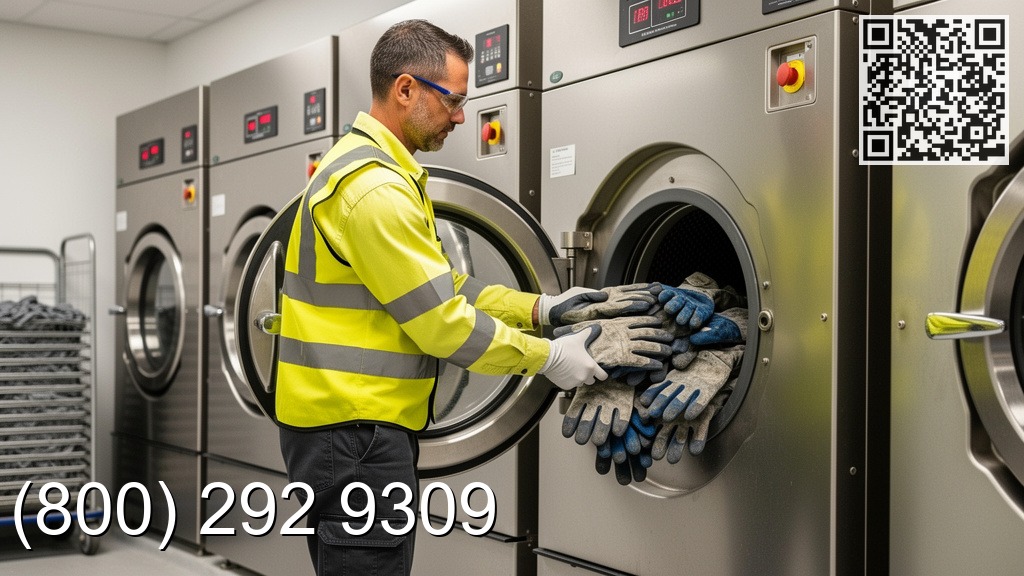
Glove cleaning and reuse, or reusing into feedstock where reuse is not practical, currently has a solid technical foundation. Facilities can set apart gloves by utilize location, accumulate them in shut containers, and route them to a certified processor for cleaning and recognition. In some procedures, particularly where cleanroom requirements apply, specific glove types can be securely cleaned up for reuse after appropriate screening. In others, gloves can be exchanged polymer pellets and reestablished right into products that do not touch food or pharma processes. Either course moves a part of spend away from one-and-done purchasing.
The worth substances when you zoom out. Much less incoming material, less stockouts, more resistant supply. Smaller waste impact. A safety and security story that resonates with workers and clients. This is where the round economic climate model gains its credibility as a service device, not a compliance chore.
The safety and security concern you need to ask first
Cross-contamination prevention overtakes every price disagreement. If you can not avoid unwanted transfer of bacteria, allergens, or residues, you do not have a program. You have risk.
The facilities that stand out below do three points constantly. They separate streams rigorously, they confirm the cleaning or reusing process with statistically purposeful tasting, and they document. At consumption, handwear covers ought to be sorted by product, shade, and use location. If a handwear cover has actually touched biohazards, solvents, or hefty oils, it may be assigned to power recovery or material recycling rather than cleaning up for reuse. Cleansing programs work well for gloves used in completely dry goods managing, setting up, and numerous QA tasks, where residues and soil are light and foreseeable. Accuracy testing with ATP, microbial swabs, and chemical residue checks closes the loophole and develops defendable high quality records.
This is likewise where a partner matters. Libra PPE Recycling, as an example, supplies segmented programs that incorporate PPE gloves recycling with validated glove cleansing streams. They publish process controls, contamination limits, and denial criteria that withstand audits. Whether you choose Libra PPE Recycling or an additional supplier, request their validation records, failing rates, and evidence of cross-contamination controls. If you do not see controls you would certainly rely on your own plant, keep looking.
Cost technicians that in fact move the needle
Executives wish to understand the economics in ordinary terms. The variables are not made complex, yet they do connect. Start with four pails: acquisition price, cleaning or recycling price, waste cost, and risk-adjusted expense of failure.
Purchase cost is straightforward. If a handwear cover sets you back 9 to 15 cents and your workers use 8 to 20 sets per shift, you can sketch a standard quickly. Cleansing or recycling cost depends on quantity and distance to the cpu. I have actually seen quotes from 2 to 6 cents per handwear cover for cleaning at range, and 1 to 3 cents per glove-equivalent for recycling programs that fund products with recovered material worth. Waste costs differ by area and agreement, however $60 to $120 per load prevails, with extra charges for hazardous streams.
Risk-adjusted expense is the uncomfortable one. If a handwear cover program stops working and creates a recall or closure, the expenses dwarf cost savings. This is why pilots, tons testing, and presented rollouts exist. Build this right into your financial model. The majority of groups use a little backup factor in early months and dial it down as information accumulates.
An ROI calculator assists framework decisions and straighten purchase with EHS. A simple design requests for standard handwear cover intake, acquisition price, expected reuse element (commonly 1.2 x to 1.8 x life span for sure handwear cover kinds after cleaning), processing cost, freight, and disposal avoided. Great calculators allow you consist of being rejected rates at intake and post-cleaning. If 7 to 12 percent of handwear covers stop working acceptance criteria, you require to make up that. Several vendors will certainly share a layout; some, like Libra PPE Recycling, can run your numbers and show sensitivity to volumes and material mix.
How circularity shows up on the P&L
I have seen 3 patterns of financial savings. The most obvious is reduced acquiring: less new gloves purchased since a portion is cleaned up for reuse, or because recycling offsets some procurement through credit ratings on material healing. The second is lowered waste carrying and tipping charges, especially when heavy PPE circulations are secured of metropolitan or industrial waste streams. The third is extra subtle: smoother supply during cost spikes.
When handwear cover prices climbed up 30 to half throughout supply shocks, plants that had established handwear cover cleansing networks felt less pain. Reuse ability and reusing debts cushioned the strike. Also a moderate 10 percent decrease in new handwear cover acquisitions throughout an unpredictable quarter can shield margins or, in controlled industries, prevent hurried alternatives that create conformity headaches.
There are up front costs. You will certainly spend time training staff to arrange handwear covers correctly. You may purchase covered collection containers. You will likely pay even more interest to handwear cover material option, moving toward products that clean predictably and away from affordable, high-variance imports. Over a 12 to 18 month horizon, those financial investments have a tendency to amortize if volumes are steady.
A day in the life of a circular PPE program
Picture a packaging division with two changes and 90 employees. At the beginning of the shift, staff members gather a solitary pair of nitrile handwear covers from a dispenser. The floor lead reminds the team to change handwear covers if torn, greatly dirtied, or after particular QA interventions. At break, handwear covers come off. Rather than the general garbage, staff members transfer them into blue-lidded containers marked "Nitrile A - Tidy Candidate." Handwear covers from the allergen-handling area go into red-lidded containers identified "Nitrile B - Recycle Only."
At completion of the day, custodial staff wheel the containers to a locked cage. A regular pickup delivers the materials to a qualified processor. The processor checks, types, and transmits heaven stream to a cleaning line. Gloves are washed, dried out, visually examined, and set examined for deposit and tensile stability. A part, typically 8 to 10 percent, is denied and diverted to polymer recycling. The remainder returns in sealed packs, lot-coded and accompanied by a test recap. The red stream bypasses cleaning and goes directly to recycling, where it becomes pelletized material for vehicle trim or durable pallets, not food-contact goods.
Back at the plant, the returning cleaned gloves stock a separate cupboard. Supervisors track use, beings rejected at the factor of use, and any pain or fit concerns. After three months, the data reveals that each cleansed handwear cover collection replaces approximately 1.3 sets of brand-new handwear covers, considering beings rejected and losses. Waste pick-ups decrease by one roll-off monthly, tiny yet noticeable. Training refresher courses capture a handful of incorrect disposals early, before practices calcify.
Practical limitations and where reuse does not belong
No program fits anywhere. Some lab and sterile production atmospheres mandate single-use PPE by policy or quality system design. In those setups, focus on PPE gloves recycling as opposed to cleaning. You can still attain waste reduction and brand benefit without pushing versus top quality procedures. High-exposure chemical handling could additionally dismiss cleaning for reuse due to permeation dangers and deposit worries. Here once more, reusing may be proper if purification limits can be fulfilled. If not, risk-free disposal stays the ideal choice.
Another limit is the irregularity of handwear cover supply. If your center sources numerous brands, shades, and thicknesses, cleaning uniformity experiences. Approaching a conventional set of SKUs enhances results and employee approval. This standardization itself delivers a silent efficiency: consistent fit and efficiency convert to fewer unneeded handwear cover adjustments, a tiny behavior win that adds up.
Building buy-in on the floor
The people who use the gloves on a daily basis determine whether your program prospers. Treat them as companions. When I assisted roll out a program in a drink co-packer, the turning point had absolutely nothing to do with spreadsheets. It was a roundtable where a few long-tenured operators articulated an easy worry: they desired evidence that cleansed gloves felt the exact same and performed the very same during repeated activity. The vendor brought sample packs, and the staff tested hold and toughness on the line. We determined failure rates for two weeks, alongside with brand-new gloves. When the price distinction can be found in listed below 1 percent and the crew liked the feel, the narrative changed from suspicion to curiosity.
Communication issues. Clarify cross-contamination avoidance, show the collection containers, and go through why some gloves can be cleansed while others only most likely to reusing. Share the Environmental responsibility angle if it reverberates with your culture, however lead with safety and usefulness. Individuals trust what they can see and test.
Where the numbers get genuine: a brief instance example
A mid-sized nutraceutical supplier in the Midwest utilized regarding 3.5 million nitrile gloves each year across blending, encapsulation, and packaging. Baseline expenses: $0.12 per glove average, $110 per heap garbage disposal, and occasional expedited handwear cover orders when supply obtained tight.
They segmented PPE by location, educated groups for two weeks, and started with a traditional pilot in packing. A partner, Libra PPE Recycling, managed both the cleansing stream for low-residue gloves and a reusing stream for every little thing else. After recognition, they expanded to encapsulation. Their approval standards consisted of aesthetic evaluation, ATP swabs on sample sets, and tensile tests for every batch. Being rejected prices cleared up at 9 percent for the cleaning stream, one hundred percent for gloves from mixing to the recycling stream as a result of powder residues.
Six months in, they lowered brand-new handwear cover purchases in the pilot locations by approximately 18 percent, web of cleansing charges and denied handwear covers. Waste volume reduced by around 12 tons yearly, a little yet quantifiable decrease in carrying regularity. The financing group made use of an inner ROI calculator to track cost savings against training and program management time. The repayment period landed simply under 11 months. The unanticipated win was less production pauses from glove stockouts, which they evaluated as 2 stayed clear of downtime cases in peak season. No safety events, no audit findings, and staff member contentment that held consistent in follow-up surveys.
How to choose a companion without the common regrets
Facilities frequently take too lightly the vendor choice action. You are denying a product; you are adopting a procedure. Request for three specifics before you indicator:
- Documented validation information for your handwear cover materials and use cases, including rejection rates and deposit tests A clear chain of protection that identifies cleaning, reusing, energy recovery, and garbage dump, with clear thresholds A solution plan that consists of training, classified containers, pickup schedules, and information reporting that feeds your ROI calculator
Insist on a pilot with success criteria you specify. Clarify that pays for freight, what happens to out-of-spec product, and exactly how lot-level traceability jobs. If your auditors turn up, can your partner provide the documents within 24 hr? If a set fails testing, just how promptly do you obtain alerted and what occurs to that batch?
Libra PPE Recycling and a handful of others can satisfy this bar. Assess at least 2 service providers preferably. If you operate throughout numerous states, test logistics from each site. Concealed products costs can wear down financial savings faster than you expect.
Measuring what issues, not everything
Data can bewilder. Focus on a couple of metrics that mirror security, financial savings, and stability. Security obtains prominence: price of glove-related nonconformances and any type of cross-contamination occurrences connected to glove handling. For financial savings, track brand-new handwear cover acquisitions per shift, cleaning up cost per handwear cover returned to solution, and disposal tonnage for PPE streams. For stability, monitor lead times and emergency situation order counts.
Many teams overcomplicate the ROI model. Maintain it active. If your standard is 10 million gloves annually and your program can credibly reduce that by 10 to 20 percent in eligible locations, you can estimate financial savings without a hundred inputs. Update quarterly, not daily. When prices swing, rerun the version. That is where an ROI calculator beams: it allows you test circumstances and make procurement decisions that stabilize expense with resilience.
Compliance and audit preparedness without the headache
Regulated environments do not need more binders; they require sharper ones. Straighten your glove program with existing SOPs. File acceptance requirements, cleaning up recognitions, and disposition logic for each and every stream. Preserve logs for collection, transportation, processing, and return. Link glove whole lots to manufacturing great deals only if your top quality system requires it. Several food and pharma operations keep this web link indirect to avoid unnecessary intricacy while preserving traceability at the PPE batch level.
Auditors value clarity. Show them your cross-contamination avoidance steps, your screening information, and exactly how you respond to inconsistencies. If you make use of a 3rd party such as Libra PPE Recycling, include their certifications and process maps in your high quality records. The smoother this discussion goes, the more probable your program survives management changes and spending plan resets.
Environmental obligation that passes the sniff test
Sustainability claims attract examination, and rightly so. Maintain your Ecological duty story small and quantifiable. Record the tonnage of PPE drawn away from land fill or incineration, the variety of gloves cleansed for reuse, and the percent of material recycled into non-food-contact items. If you have discharges factors from your hauler or recycler, approximate the greenhouse gas decreases related to the program. Be conservative with assumptions and afterthought them in your inner reports.
Employees reply to authenticity. Groups that arrange handwear covers properly should have to see where they go and what they come to be. A short video from your recycling partner's facility or a pallet of recycled pallets stamped with an identifiable mark attaches the dots. You do not need to run a marketing campaign. You need to level and back it with images, information, and constant practice.
What happens when the strategy meets reality
Every execution has missteps. Collection containers fill as well quickly near the busiest lines. A brand-new handwear cover SKU gets here that does not match your cleaning specs. Turnover presents individuals who missed the preliminary training. Do not overreact. Adjust container positioning after observing circulation for a week. Collaborate with procurement to secure the approved handwear cover listing. Include a five-minute component to new-hire alignment and a fast refresher course in month-to-month security meetings.
The finest programs develop. A facility I went to started with nitrile in one division, after that expanded to cut-resistant handwear covers in upkeep via a different recycling stream. One more included a tiny onsite pre-sorting terminal to decrease freight on clearly contaminated product. These modifications maintained savings growing without thinning down safety.
A basic beginning plan for a lot of operations
If you prepare to evaluate the round course for PPE, start narrow and develop confidence.
- Choose one division with foreseeable soil lots and participating leadership Standardize glove SKUs for that location, then established identified collection containers and train the team Run a 60-day pilot with a certified partner, procedure being rejected rates, safety metrics, and prices, and feed results into your ROI calculator If the pilot satisfies limits, increase slowly by adjacent division, refining SOPs and signage as you go Periodically evaluation handwear cover efficiency and cross-contamination prevention information with QA and EHS, then update controls as needed
This technique decreases danger and creates internal supporters. Individuals making use of the handwear covers will inform their peers if the program works or not. Let their experience guide your pace.
The organization situation has matured
Circularity for PPE is not a theory. It is used operations, the kind that awards technique and interest to detail. The economic logic comes: reduce brand-new PPE purchases where handwear cover cleaning is confirmed, recycle the rest of the PPE Gloves stream sensibly, and trim disposal prices. The safety and security logic is non-negotiable: construct cross-contamination avoidance right into every action and confirm it with information. The brand name reasoning follows: legitimate Ecological responsibility, shown with constant practice, sustains customer and employee trust.
When you stitch those strings together, the outcome is not a side project. It is a structural improvement to exactly how your center purchases, utilizes, and handles PPE. For several websites, a partner like Libra PPE Recycling supplies the facilities and recognition to make it stick. Whether you deal with them or another qualified company, the payoff comes from your implementation on the floor and your desire to allow information steer decisions.
Disposable does not have to suggest inefficient. With a circular economic climate design and the ideal controls, PPE can be both secure and wise, an operating benefit instead of a sunk cost.
Libra Industries Inc
1435 N Blackstone St, Jackson, MI 49202
+15177875675
| Place ID | ChIJt_HMH44vPYgRNbiD22DpHYo |
| CID | 9952367353767639093 |
| Business Profile ID | 6301257705288912858 |
7H9Q+2G Jackson, Michigan
| Coordinates | 42.26760060, -84.41112540 |
 Ask ChatGPT
 Ask Grok
 Ask Perplexity
 Ask Claude
 Ask Google AI
 Ask You